The Secret Phone Calls and Double Loans That Brought Down Tricolor
News > Business News

Audio By Carbonatix
5:00 PM on Saturday, December 20
By Philip Uwaoma | Guessing Headlights
NEW YORK — Federal prosecutors in Manhattan on Wednesday unsealed a sweeping criminal indictment charging senior executives of Tricolor Holdings, the now‑bankrupt subprime auto lender and used car retailer, with orchestrating a long‑running and allegedly systematic fraud that helped drive the company into insolvency — and left lenders, investors and customers reeling. Tricolor’s founder and former chief executive, Daniel Chu, along with David Goodgame, the company’s former chief operating officer, are accused of running the company “through systematic fraud” from as early as 2018 until its collapse in late 2025. Two other former executives, Jerome Kollar and Ameryn Seibold, have already pleaded guilty to their roles and are cooperating with investigators, according to the indictment.
The Justice Department’s allegations stem from a complex web of deceptive practices, including “double‑pledging” the same loan collateral to secure multiple loans, falsifying loan data and manipulating financial reports to mislead banks and investors about the strength and quality of Tricolor’s loan portfolio.
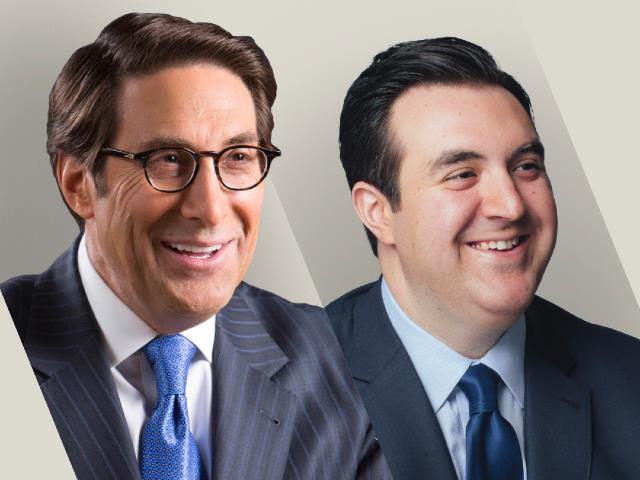
Fraud as Business Strategy? Prosecutors Say YesAt a news conference announcing the charges, U.S. Attorney Jay Clayton said that the alleged misconduct was not isolated but “an integral component of Tricolor’s business strategy,” orchestrated from the top down by Chu and executed by senior team members.
Prosecutors claim Tricolor repeatedly lied to major banks and private credit providers by presenting inflated, fabricated, or ineligible assets as high‑quality collateral — effectively borrowing against the same asset base over and over again. By August 2025, the company allegedly had about $2.2 billion in pledged collateral on paper, despite only having about $1.4 billion in real collateral.
This deceptive strategy allegedly allowed Tricolor to extract hundreds of millions of dollars in financing that it would not otherwise have qualified for, effectively amplifying growth in the short term while masking deeper financial rot beneath.
Tricolor filed for Chapter 7 bankruptcy on Sept. 10, 2025, abruptly shutting down operations at roughly 65 retail locations across multiple states and leaving more than 1,000 employees suddenly jobless. Secured lenders including JPMorgan Chase, Fifth Third Bank and Barclays were left facing potential losses in the hundreds of millions of dollars, with JPMorgan writing off about $170 million in exposure.
According to prosecutors, the fraud first came to light in late summer 2025, when lenders raised concerns over discrepancies in Tricolor’s audited collateral data. Secretly recorded phone calls later revealed executives scrambling to devise cover stories and explanations. In one recording, Chu compared the company’s predicament to the infamous collapse of Enron, saying that invoking Enron’s name “raises the blood pressure of the lender.”
The bankruptcy filing revealed that Tricolor owed more than $900 million to its largest lenders, and court filings estimated liabilities in the billions, dwarfing the company’s real asset base.
Allegations of Personal Gain at the Brink of InsolvencyPerhaps most explosive in the indictment are allegations that Chu used his position to extract significant personal benefit even as the company teetered on the brink. Prosecutors say that about three weeks before laying off workers and filing for bankruptcy, Chu directed payments totaling $6.25 million as part of his executive compensation, portions of which he used to purchase a multimillion‑dollar property in Beverly Hills, California.
Such timing — payments made when the company was allegedly already insolvent — will likely be a central focus of both criminal proceedings and ongoing civil actions by bankruptcy trustees and lenders seeking recovery.
Chu faces a potential life sentence if convicted on the most serious charge (running a continuing financial crimes enterprise) along with bank fraud, wire fraud and conspiracy counts. Goodgame faces decades in prison as well, while Kollar and Seibold’s cooperation could be essential to prosecutors’ case.
Beyond the courtroom, this case is fueling broader scrutiny of private credit markets and subprime lending practices. The Tricolor saga highlights systemic risks when lenders rely heavily on internal data and self‑reported collateral quality, especially in sectors catering to high‑risk borrowers. There are also ripple effects for everyday consumers: the collapse may make it harder for individuals with poor credit histories to secure auto loans in the future, according to federal officials.
Aftermath and Unanswered QuestionsWith bankruptcy proceedings ongoing and trustees preparing civil litigation against former management, many questions remain. Were auditors and lenders too trusting? Did rating agencies miss red flags? And will regulators now tighten oversight of subprime financers? The answers may shape how credit is extended in America for years to come — potentially making this more than just a local fraud story, but a cautionary tale of market vulnerability in an age of complex finance.