Featured Hosts
Larry Elder

Larry Elder / Friday, October 23
EL-Sayed on Iran's Nuclear Threat and US Policy Debate
During a debate, El-Sayed and Mike Rogers discuss the war with Iran and its implications for U.S. national security. Dr. El-Sayed argues that the threat posed by Iran was contained during the Obama administration through diplomacy, specifically the JCPOA agreement, which Donald Trump later withdrew from. He criticizes the decision to make war, noting the economic costs to Americans, such as higher gas and grocery prices. Rogers, on the other hand, asserts that Iran remains a significant threat, capable of developing a nuclear weapon and funding terrorist groups like Hamas, Hezbollah, and the Houthis. He emphasizes the importance of preventing Iran from obtaining nuclear capabilities and criticizes those who oppose the war without considering its broader consequences.

Larry Elder / Friday, October 23
Iran and North Korea: The Failure of Nuclear Diplomacy
Larry Elder discusses the challenges of preventing Iran and North Korea from becoming nuclear powers. He questions the effectiveness of aggressive diplomacy, referencing past agreements and actions by the U.S. and its allies. Elder highlights the unanswered questions surrounding the Trump administration's approach to Iran, including the lack of congressional authorization and the assertion that Iran's nuclear program has been completely obliterated. He also examines the failure of similar diplomatic efforts with North Korea, pointing out the discrepancies between promises and actions taken by these nations. Elder emphasizes the importance of a clear, compelling strategy to prevent these countries from achieving nuclear capability.

Larry Elder / Thursday, October 22
Trump's Foreign Policy: Impact on Iran, Russia, and China
Larry Elder discusses the assertion that Donald Trump is labeled as racist because he criticizes certain black politicians, specifically naming Jasmine Crockett and Maxine Waters. Elder argues that Trump's criticisms are directed at left-wing Democrats who have been unfair to him, rather than being rooted in racism. He contrasts Trump's approach with the perceived silence from Democrats on issues such as the surge of illegal immigrants crossing the southern border and the state of the economy. Elder praises Trump's handling of international relations, particularly with Iran and Russia, asserting that Trump's actions have prevented Iran from obtaining a nuclear bomb and secured the release of an American prisoner held in Russia. He criticizes the media for focusing disproportionately on Trump's demeanor while neglecting significant events like the border crisis and economic indicators.
Hugh Hewitt

Hugh Hewitt / Friday, October 23
Houthi Missile Intercepted


Hugh Hewitt / Thursday, October 22
Penny Flanagan Exposed For "Inflated Academic Record"
Jay Sekulow

Jay Sekulow / Wednesday, August 12
How Were The Polls So Wrong About Francesca Hong?
The recent election in Wisconsin has revealed some surprising results, with a Democrat candidate narrowly winning despite initial polls indicating a much larger lead for the opposing candidate. This unexpected outcome raises questions about the accuracy of polling methods and the underlying dynamics within the state's Democratic party apparatus. The discussion delves into how the polling was off, suggesting it may have only surveyed supporters of the winning candidate and not those of the opponent. This has led to concerns about the reliability of polls in reflecting voter sentiment accurately. The implications of this close race could influence future strategies and perceptions within the Democratic party, especially as it pertains to the balance between socialist and more centrist Democrats.

Jay Sekulow / Monday, May 4
AG Blanche Says The Evidence Will Come in the Comey Indictment
AG Blanche Says The Evidence Will Come in the Comey Indictment

Jay Sekulow / Tuesday, April 7
Iran's Regime Resorts To Sacrificing Children
Iran's Regime Resorts To Sacrificing Children
Charlie Kirk

Charlie Kirk / Friday, December 19, 2025
The Charlie Kirk Show At AmFest 2025
The Charlie Kirk Show At AmFest 2025

Charlie Kirk / Thursday, December 18, 2025
Prosecuting Jack Smith's Political Lawfare Against Trump
Prosecuting Jack Smith's Political Lawfare Against Trump With Mike Davis, Founder and President of The Article 3 Project.

Charlie Kirk / Tuesday, December 16, 2025
Trump Declares Fentanyl A Weapon Of Mass Destruction
Trump Declares Fentanyl A Weapon Of Mass Destruction
Mike Gallagher

Mike Gallagher / Friday, October 23
It's Not The Democrats' Race To Win; It’s Ours To Lose!
With the stakes rising, the debate over voter ID, election security, and political accountability is taking center stage. Are Americans being given the full picture—and what could it mean for the fight ahead? In Texas, Democratic U.S. Senate nominee James Talarico has said he hates voter ID “with every fiber of his being” and calls it anti-American.

Mike Gallagher / Friday, October 23
Hillary Clinton’s Court-Packing Push For Permanent Power
A high-profile Democrat’s call to enlarge the Supreme Court—only once her party regains control—points to a wider sequence of institutional changes designed to entrench lasting dominance and sideline constitutional checks.

Mike Gallagher / Thursday, October 22
How A Cinematic Spy Thriller Reveals The Real Fight Against Hezbollah
Paging Hezbollah delivers a high-level, insider look at Israel’s 2024 exploding-pager operation, told by the officials and operators who ran it—and a warning about the terrorist group most Americans still don’t fully understand.
Scott Jennings

Scott Jennings / Friday, October 23
President Trump: “The Strait Is Ours”
President Trump addressed the nation from ForT Myers, Florida, discussing the ongoing situation with Iran and the Strait of Hormuz. In his remarks, Trump emphasized the strategic importance of the strait and the economic benefits of securing oil flow through it. He highlighted the increased oil production from the region, underscoring the U.S.'s strong position. Trump's speech also touched on the necessity of decisive action against the Iranian regime, which he described as a significant threat to global security. He argued that the regime's ambitions and actions warrant proactive measures to ensure peace and stability in the region. The president's rhetoric suggests a firm stance on Iran, indicating that the U.S. will take all necessary steps to protect its interests and those of its allies.

Scott Jennings / Friday, October 23
Kamala Harris: The Queen of Word Salads
Kamala Harris's communication skills and public perception are the central focus of this clip. Despite her attempts to connect with the audience through different accents and lighter moments, the overall message is often lost. This clip highlights the challenges faced by public figures in maintaining a relatable yet meaningful presence.

Scott Jennings / Thursday, October 22
We All Know The Truth Who Is Behind The Riots In Europe
In this interview, Leland Vittert discusses the current unrest in Europe, attributing it to the intersection of political Islam and the far left, facilitated by unchecked migration and radical organizations. He highlights the prevalence of the Palestinian flag in demonstrations, which he believes is evidence of a coordinated effort to undermine Western values and promote Islam over Israel. Despite widespread evidence, including videos and reports from Fox News, there is a reluctance in the media to acknowledge these connections. Leeland argues that this reluctance is due to the intimidation tactics employed by pro-socialist and Islamist groups, who label honest discussion as bigoted. This conversation sheds light on the complex dynamics behind the European protests and the challenges in addressing them openly.
Carl Jackson

Carl Jackson / Saturday, October 24
Unbroken: The Untold Story of Shen Yun
In a shocking exposé, a documentary film reveals the far-reaching influence of the Chinese Communist Party (CCP) in the United States, using a dance company as a case study. This episode delves into the world of Shen Yun Performing Arts, a classical Chinese dance company that aims to revive traditional Chinese culture and share the stories of people of faith in modern China. But what happens when the CCP tries to silence them? The CCP's tactics are revealed through a series of articles in the New York Times, which were actually part of a coordinated disinformation campaign. The film, "Unbroken: The Untold Story of Shen Yun," exposes the CCP's use of proxy operations, including hiring paid protesters and using social media influencers to spread their narrative. The CCP's reach is staggering, with even the FBI getting caught up in their web. The documentary also highlights the personal stories of Shen Yun performers who have faced persecution in China, including the tragic tale of a dancer whose father was imprisoned and died in a labor camp. The CCP's actions are a stark reminder of the dangers of their influence operations, which can have real-world consequences for individuals and organizations. Join the conversation and listen to this eye-opening episode to learn more about the CCP's influence operations and the brave individuals who are fighting back. Don't miss this thought-provoking discussion with Steve Lance, the narrator of the documentary, as he shares his insights on the CCP's tactics and the importance of standing up to their influence. Follow Carl Jackson: Facebook: https://www.facebook.com/carljacksonradio X/Twitter: https://twitter.com/carljacksonshow Instagram: https://www.instagram.com/thecarljacksonshow Website: http://www.TheCarlJacksonShow.com Store: https://CarlJacksonStore.com

Carl Jackson / Friday, October 23
“Not That I know” Is Code For Guilty As Sin
This episode of the podcast is a must-listen for anyone following the latest developments in the world of politics. Representative Ilhan Omar's recent interview with Chris Hayes has left many questions unanswered, and the speaker is here to break it down. From allegations of immigration fraud to a dramatic change in her financial situation, this episode is packed with explosive revelations that will keep you on the edge of your seat. The speaker dives into the details of Ilhan Omar's financial situation, pointing out the discrepancy between her initial report of a $30 million net worth and her current claim of living paycheck to paycheck. The speaker questions how this sudden change in financial status could have occurred, especially considering her husband's involvement in a venture capitalist firm. The conversation also touches on the recent raid on Ilhan Omar's D.C. residence, which has left many wondering what's next for the congresswoman. The speaker shares their thoughts on the recent events, pointing out the inconsistencies in Ilhan Omar's story and the potential implications of her actions. They also discuss the role of the Department of Homeland Security and the ongoing investigation into immigration fraud. With so many questions still unanswered, this episode is a must-listen for anyone looking for the latest scoop on this developing story. If you want to stay up-to-date on the latest news and analysis, tune in to this episode to hear the speaker's take on the Ilhan Omar saga. With their unique perspective and sharp insights, you won't want to miss this thought-provoking conversation. Follow Carl Jackson: Facebook: https://www.facebook.com/carljacksonradio X/Twitter: https://twitter.com/carljacksonshow Instagram: https://www.instagram.com/thecarljacksonshow Website: http://www.TheCarlJacksonShow.com Store: https://CarlJacksonStore.com

Carl Jackson / Thursday, October 22
10 Reasons Dems REFUSE To Unveil Their Economic Plan Before Midterms
In this episode, the speaker takes a critical look at the economic policies of the Democratic Party, highlighting the devastating impact they had on the middle class during the Biden administration. From skyrocketing gas prices to rising home prices, the consequences of their policies are still being felt today. The speaker argues that Democrats are not talking about their economic plan because they intend to destroy the economy again, just like they did during the COVID lockdowns. They point to the example of Senator Slotkin, who was caught on camera saying that she would use the deep state to intimidate young people who support the Trump administration. This is a stark reminder of the party's true intentions and their desire for power. The speaker also delves into the specifics of the Biden administration's economic policies, including the $1.9 trillion American Rescue Plan, which added demand while supply was constrained, fueling inflation. They also discuss the rise in grocery and food prices, which rose sharply under the Biden administration, and the devastating impact on middle-class homes. If you want to understand why Democrats are not talking about their economic plan, tune in to this episode to hear the speaker's insightful analysis and learn how their policies have affected the middle class. Follow Carl Jackson: Facebook: https://www.facebook.com/carljacksonradio X/Twitter: https://twitter.com/carljacksonshow Instagram: https://www.instagram.com/thecarljacksonshow Website: http://www.TheCarlJacksonShow.com Store: https://CarlJacksonStore.com
Larry O'Connor

Larry O'Connor / Friday, October 23
Michigan's Final Senate Debate
In this engaging conversation, the chief political correspondent of the Washington Examiner, Byron York, discusses the final Senate debate in Michigan between former congressman Mike Rogers and Abdul El-Sayed. York highlights the fiery nature of the debate, focusing on the Muslim Brotherhood issue and how it affected voter perceptions of El-Sayed. The discussion also touches on the influence of early voting numbers and the questionable integrity of some polling firms. York and his co-host delve into the implications of President Trump's approval ratings on the upcoming midterm elections, examining both House and Senate races. They speculate on the potential outcomes in key battleground states, offering a nuanced analysis of the political landscape as Election Day approaches.

Larry O'Connor / Friday, October 23
Musk Invests $1 Billion In Skydance
Christian Toto, a prominent writer and commentator, discusses the recent developments in the entertainment industry, including Elon Musk's investment in Skydance and its implications for media ownership. Toto also touches on the cultural battle between conservative and liberal viewpoints in media, referencing controversies surrounding Saturday Night Live and other platforms. The conversation shifts to an upcoming documentary, "Paging Hezbollah," which details a significant counteroffensive by the IDF and Mossad. Toto also previews some of the major films expected to release around the holiday season, highlighting potential Oscar contenders and other notable productions. Throughout, Toto provides insights into the shifting dynamics of Hollywood and the broader entertainment landscape.

Larry O'Connor / Friday, October 23
Feds Charge VA Dem Louise Lucas In Drug Scheme
In a conversation with Will Chamberlain, senior counsel for the Article III Project, the discussion revolves around the recent indictment of Virginia Democrat Louise Lucas. The conversation delves into the brazen actions of Lucas, who allegedly allowed her unindicted co-conspirator to bring $100,000 in cash into her office while she worked with the FBI undercover. The crux of the matter involves serious allegations of fraud and conflict of interest, as Lucas was reportedly setting up a shell company to hide her personal stake in a marijuana business while simultaneously working to steer legislation in Virginia to benefit such ventures. Chamberlain highlights the stark contrast between Lucas’s brazen actions and the more sophisticated corruption depicted in shows like "The Wire." The conversation also touches on the legal intricacies of marijuana sales in Virginia, pointing out that while recreational marijuana is not yet legal, there are strict regulations governing its sale. Lucas's alleged actions include setting up a front company and hiding her personal stake while trying to influence legislation for personal gain. Further into the discussion, the topic shifts to the case of Ilhan Omar, where the Department of Justice believes she entered the U.S. under a false identity. The conversation explores the complexities of her immigration history, including allegations that her father was a colonel in a Marxist regime in Somalia, potentially making him ineligible for refugee status. The conversation speculates on the motivations behind her alleged identity fraud and the broader implications for immigration law and policy. The conversation is rich with legal analysis and insights, providing a detailed examination of the intricate legal and ethical issues surrounding these high-profile cases.
Salem News Channel Today
Sponsored Links
Stay Connected With Us!



Choose which email subscriptions interest you most.
On Air & Up Next
-
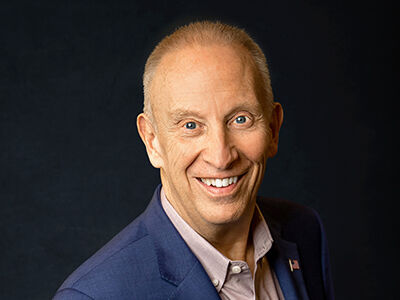 4:00AM - 5:00AMKnown as "The Happy Conservative Warrior," Mike Gallagher is one of the most consistently popular hosts in America.
 -
 5:00AM - 6:00AM
 -
 6:00AM - 6:30AM
 -
 6:30AM - 7:00AM
 -
 7:00AM - 7:30AM